In today’s digital ecosystem, the importance of properly activating software like Microsoft Office cannot be overstated. The process not only ensures that users can access full features but also protects them from security risks associated with pirated versions. This article delves into the nuances of legitimate versus illegitimate activation paths, focusing on the role of the microsoft office activator.
Understanding Software Activation
Software activation is a process that verifies a product key or license key to unlock full functionalities. For Microsoft products such as Office and Windows, this ensures users can leverage all features without interruption. It involves communicating with Microsoft’s servers to confirm the legitimacy of the software. This verification process is crucial in preventing unauthorized access and misuse, which could otherwise lead to significant operational disruptions or data breaches.
The Role of Microsoft Office Activator
A microsoft office activator is a tool used to activate various versions of Microsoft Office. While legitimate activators are part of Microsoft’s licensing process, there are several unauthorized tools circulating online that claim to activate Office products without purchasing a valid license. These unauthorized tools often promise free and easy activation, but they come with substantial risks that can outweigh any immediate benefits.
Legitimate Activation Methods
The primary legitimate activation method involves using a genuine product key provided at purchase. Users enter this key during installation or through their account settings later on. This method ensures that all features are accessible, and software updates are received promptly. Another method is using the Volume Licensing Service Center (VLSC) for enterprise environments, which allows companies to manage licenses and activations at scale, providing a centralized platform for monitoring and compliance.
Key Management Service (KMS)
Microsoft’s KMS is another authentic way to activate software within an organization. It involves setting up a local server that communicates with Microsoft servers to verify licenses efficiently. This setup requires technical knowledge and is subject to certain constraints, such as requiring physical or virtual machines (VM 2 vCPU / 4 GB RAM) for deployment. By maintaining control over the activation process internally, organizations can streamline operations and reduce reliance on external factors.
Illegitimate Activation Paths
On the flip side, unauthorized methods often involve using key generators or activation tools like kmspico office activator. These tools claim to provide free activation by mimicking legitimate processes but usually violate Microsoft’s terms of service and can expose users to malware. Furthermore, these methods often lack transparency regarding what changes they make to your system, leaving users vulnerable to unforeseen issues.
KMSpico: A Common Example
KMSpico is one such tool frequently mentioned in discussions around unauthorized activation. It targets both Microsoft Office and Windows products, including kmspico windows 10 and kmspico office 2016. Despite its prevalence, using KMSpico poses significant legal and security risks. The use of such tools can lead to compromised systems where sensitive data may be at risk of theft or loss.
FAQ
What is a Microsoft Office activator?
Is using third-party activators for Microsoft Office legal?
What are the risks of using unauthorized activators?
How can I legally activate Microsoft Office?
Can I use Microsoft Office without activation?
The Risks of Using Unauthorized Activators
The allure of free software can lead users to explore options such as downloading descargar kmspico or similar applications like kmspico 11.2.1. However, these come with potential threats:
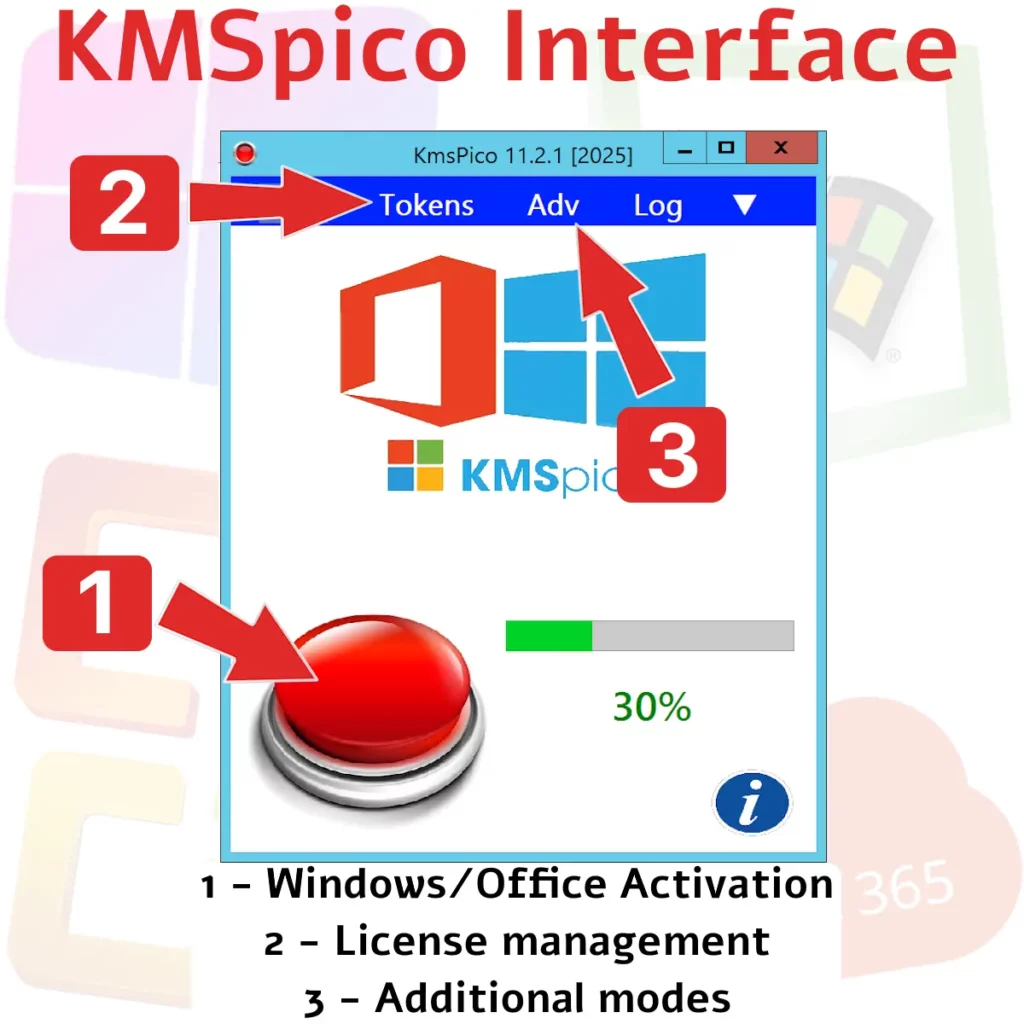
- Security Risks: Unauthorized tools can carry malware or spyware that compromise personal data. They may install hidden malicious code alongside activation scripts.
- Legal Concerns: Using pirated software violates intellectual property laws and could result in penalties or fines. Engaging in such practices undermines ethical business standards and could damage reputations.
- Lack of Support: Illegitimately activated software does not qualify for official support or updates from Microsoft, which means missing out on critical patches that protect against vulnerabilities.
Compliance and Security Best Practices
Ensuring compliance with software licensing practices not only protects organizations legally but also fortifies their cybersecurity posture. Utilizing legitimate activation methods helps maintain system integrity and access ongoing updates and support from Microsoft. Regularly updating systems ensures protection against newly discovered threats and vulnerabilities.
Avoiding Common Pitfalls
A simple yet effective practice is regularly auditing licenses using tools such as the Software Asset Management features available in many IT solutions. Regular audits help identify discrepancies before they become serious problems, ensuring all deployed software complies with licensing agreements. Additionally, educating employees about the dangers of using unauthorized software can prevent inadvertent security breaches.
Conclusion: Making Informed Choices
The decision between legitimate and illegitimate activation isn’t just about cost; it’s about security, legality, and efficiency. Organizations should prioritize investing in genuine software licenses rather than risking vulnerabilities through unauthorized means like a microsoft office activator that violates terms. Genuine licenses ensure peace of mind through guaranteed support from Microsoft when needed most.
Navigating Licensing Complexities with Confidence
The landscape of software licensing is complex but navigating it effectively ensures long-term success for organizations large and small alike. By prioritizing legitimate activation methods over shortcuts such as an illegal microsoft office activator, businesses can avoid pitfalls that jeopardize their technological infrastructure.
Cultivating a Culture of Compliance
Cultivating an internal culture that respects intellectual property rights begins with leadership setting clear policies regarding software use within the organization. Training sessions focused on understanding licensing terms help employees appreciate the value behind compliant software usage which supports innovation while respecting creators’ rights.
The Future Outlook on Software Activations
With advancements in cloud computing and AI-enhanced verification processes on the horizon, future trends suggest more streamlined approaches towards managing licenses digitally might emerge soon enough—a direction promising greater efficiency without compromising security measures currently upheld through traditional methods like those necessitated by microsoft office activator protocols today.